
"Cuban coffee culture"
200 article(s) found

Introduction to the origin of global coffee-Cuban boutique coffee beans Cuban coffee flavor Cuba
According to records, there were 2067 coffee plantations in Cuba in 1833. Among them, the earliest seven coffee plantation sites, such as Raglan Piedra, Elkovre, El Salvador and Nisto Perez, are listed as World Cultural Heritage. These seven coffee plantations are located in the foothills of Maestra in the provinces of Santiago and Guantanamo in southeastern Cuba in the 19th century (figure 17 is a postcard).

Introduction of non-polluting Cuban Crystal Coffee Flavor Manor at High altitude
Coffee was introduced into Cuba from Dominica in 1748. In Cuba, where the land is fertile and the climate is humid, Rain Water's abundant area has become the most suitable place to grow coffee. After that, coffee began to be grown and developed in Cuba. In the Central Mountains of Cuba, it is the best place to grow Cuban coffee, in which Crystal Mountain coffee is synonymous with top Cuban coffee. (ancient)

The Cultural History of Fine Coffee the History of Cuban Coffee
In 1748, coffee was introduced into Cuba from Dominica, and Cuba began to grow coffee ever since. With fertile land, humid climate and abundant Rain Water, Cuba can be called a natural treasure land for coffee cultivation. The suitable natural conditions provide a favorable natural environment for the growth of coffee trees, and coffee is well planted and developed here. In Cuba, the cultivation of coffee is regulated by the state. Cuba is the most

The History and Culture of Coffee the History of Cuban Coffee
In 1748, coffee was introduced into Cuba from Dominica, and Cuba began to grow coffee ever since. With fertile land, humid climate and abundant Rain Water, Cuba can be called a natural treasure land for coffee cultivation. The suitable natural conditions provide a favorable natural environment for the growth of coffee trees, and coffee is well planted and developed here. In Cuba, the cultivation of coffee is regulated by the state. Cuba is the most

Cuban Crystal Mountain Coffee Bean Grind Scale Processing Flavor Description Taste Introduction
Cuban coffee culture was brought in by French immigrants. Early coffee has been popular in Cuban upper class society. At present, Cuban coffee beans are mostly purchased by Japanese and French markets, especially Japan. Cuban coffee is divided into nine grades, Crystal Mountain being the highest. Sweet and refreshing, aroma straight to the nasal cavity, acid delicate, mellow taste, good viscosity. Cuban Blue Mountain is a species

The taste of Cuban crystal coffee is clean and meticulous. The characteristics of the manor area introduce Cuban boutique coffee.
Producing area: Escambray mountain area in central Cuba. Grades: Cuban coffee is divided into 9 grades, and Crystal mountain is the highest. Taste: sweet and refreshing, the aroma reaches the nasal cavity, the acidity is delicate, the taste is round and viscous, the Cubans drink coffee culture is brought into by French immigrants, early coffee has been popular in Cuban upper-class society, but why coffee production is still not much? Master

Boutique coffee beans: details of Cuban cubita Coffee
The largest island in the Caribbean, the island is long and narrow, reaching 1200KM from east to west, and high mountains are concentrated at both ends of the east and west. It belongs to tropical climate. The language is Spanish and English is also very common. It's a communist country. The only country in the world where unemployment is strictly prohibited by law. Coffee Coffee Coffee Culture of Cubans was introduced by French immigrants, and early coffee was already popular in Cuban upper-class society.

Slightly bitter Cuban Crystal Mountain Coffee Flavor description Baking degree introduction of varieties Grinding degree
In the early 20th century, the number of coffee shops in Havana once exceeded 150, but that number has declined year by year since then, due to a decline in Cuban coffee production and an increase in the proportion of rum and sugar exports. Former Cuban President Fidel Castro unified the coffee industry under the ownership of the state during the 1959 Cuban Revolution and asked the country to increase its efforts to grow edible crops.

Cuba, this is the real coffee paradise.
Cuba's clock came to an abrupt end in 1960 when the United States imposed trade sanctions on Cuba. Even 50 years later, people live in brightly colored but dilapidated buildings in Cuba, just 60 miles from the Caribbean coast of southern Florida, in vintage cars painted with all kinds of paint. Cuba is gradually diluted in our impression, and we even forget the truth about Cuba.

Cuban Crystal Coffee Fine Coffee Flavor taste Manor introduction to the characteristics of Cuban Coffee
Cuban Crystal Mountain Coffee (Cubita Coffee) contains slightly bitter and faint sweetness like wine, and even a hint of tobacco, meticulous and smooth, fresh and elegant, almost perfect. Known as the noble and elegant princess in coffee. The general taste of coffee is as strong as heavy metal music, while the taste of Cubita is as delicate and balanced as the softness of country minor. Will bring

Introduction to the characteristics of Cuban Coffee producing areas Cuban Coffee Brand recommendation
Professional coffee knowledge exchange more coffee bean information Please follow the coffee workshop (Wechat official account cafe_style) thanks to education, Cuba has created outstanding achievements in literature, art, medicine, biotechnology and other research, and the Cuban government has specially set up various awards to stimulate the labor force. However, when it comes to Cuba's economy, it makes people shake their heads and sigh. The sluggish economy has caused the Cuban people

Introduction to the flavor description method of Cuban Coffee beans from Crystal Mountain
The old man has been using this mocha pot for 20 years. Goldenberg says the mocha pot is the most commonly used coffee pot in Havana. Taking into account the rationing of coffee and the low level of income, Cubans mostly make their own coffee at home. Almost every family has a mocha pot. Goldenberg said. Because they can't enjoy the full-bodied espresso in the coffee shop, Cubans will

A brief introduction to the History and Culture of the Origin and Development of Cuban Crystal Mountain Fine Coffee beans
The suitable natural conditions provide a favorable natural environment for the growth of coffee trees. Coffee is well cultivated and developed here, and the best coffee growing area in Cuba is located in the Central Mountains. Because this area not only grows coffee, but also produces quartz, crystal and other precious minerals, it is also known as Crystal Mountain. Crystal Mountain is adjacent to the Blue Mountains of Jamaica.
High-quality coffee bean producing countries introduce Cuban coffee
According to records, there were 2067 coffee plantations in Cuba in 1833. Among them, the earliest seven coffee plantation sites, such as Raglan Piedra, Elkovre, El Salvador and Nisto Perez, are listed as World Cultural Heritage. These seven coffee plantations are located in the foothills of Maestra in the provinces of Santiago and Guantanamo in southeastern Cuba in the 19th century (figure 17 is a postcard).
Basic knowledge of boutique coffee Cuban coffee
According to records, there were 2067 coffee plantations in Cuba in 1833. Among them, the earliest seven coffee plantation sites, such as Raglan Piedra, Elkovre, El Salvador and Nisto Perez, are listed as World Cultural Heritage. These seven coffee plantations are located in the foothills of Maestra in the provinces of Santiago and Guantanamo in southeastern Cuba in the 19th century (figure 17 is a postcard).
The characteristics and Market of Cuban Coffee
According to records, there were 2067 coffee plantations in Cuba in 1833. Among them, the earliest seven coffee plantation sites, such as Raglan Piedra, Elkovre, El Salvador and Nisto Perez, are listed as World Cultural Heritage. These seven coffee plantations are located in the foothills of Maestra in the provinces of Santiago and Guantanamo in southeastern Cuba in the 19th century (figure 17 is a postcard).
Boutique coffee beans
The largest island in the Caribbean, the island is long and narrow, reaching 1200KM from east to west, and high mountains are concentrated at both ends of the east and west. It belongs to tropical climate. The language is Spanish and English is also very common. It's a communist country. The only country in the world where unemployment is strictly prohibited by law. Coffee Coffee Coffee Culture of Cubans was introduced by French immigrants, and early coffee was already popular in Cuban upper-class society.

What is Cuban espresso and how does Cuban espresso come from?
Professional coffee knowledge exchange More coffee bean information Please pay attention to coffee workshop (Weixin Official Accounts cafe_style) Origin of Cuban espresso Cafe Cuba (also known as Cuban coffee, Cuban coffee, cafecito) is a type of coffee that originated in Cuba. Specifically, it refers to a sweetened espresso (traditionally stirred with natural brown sugar).

Cuban Crystal Mountain Coffee Flavor description Grinding degree Variety characteristics Price Taste Manor introduction
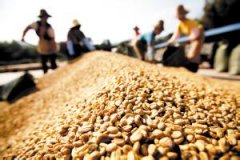
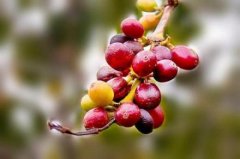
The coffee beans selected by Cuba Amber Coffee (Cubita) are Arabica varieties grown in the crystal mountains of Cuba and are known as unique Caribbean flavor coffee. Coffee beans are picked by hand and refined by water washing to remove defective beans and other impurities to the greatest extent, coupled with the careful roasting of experienced roasters, it is rare to have this unique coffee bean in the world.
Cuban Crystal Mountain Coffee beans
The largest island in the Caribbean, the island is long and narrow, reaching 1200KM from east to west, and high mountains are concentrated at the east and west ends. It belongs to tropical climate. The language is Spanish and English is also very common. It's a communist country. The only country in the world where unemployment is strictly prohibited by law.